Environmental Protection and Rehabilitation in the Mining Sector
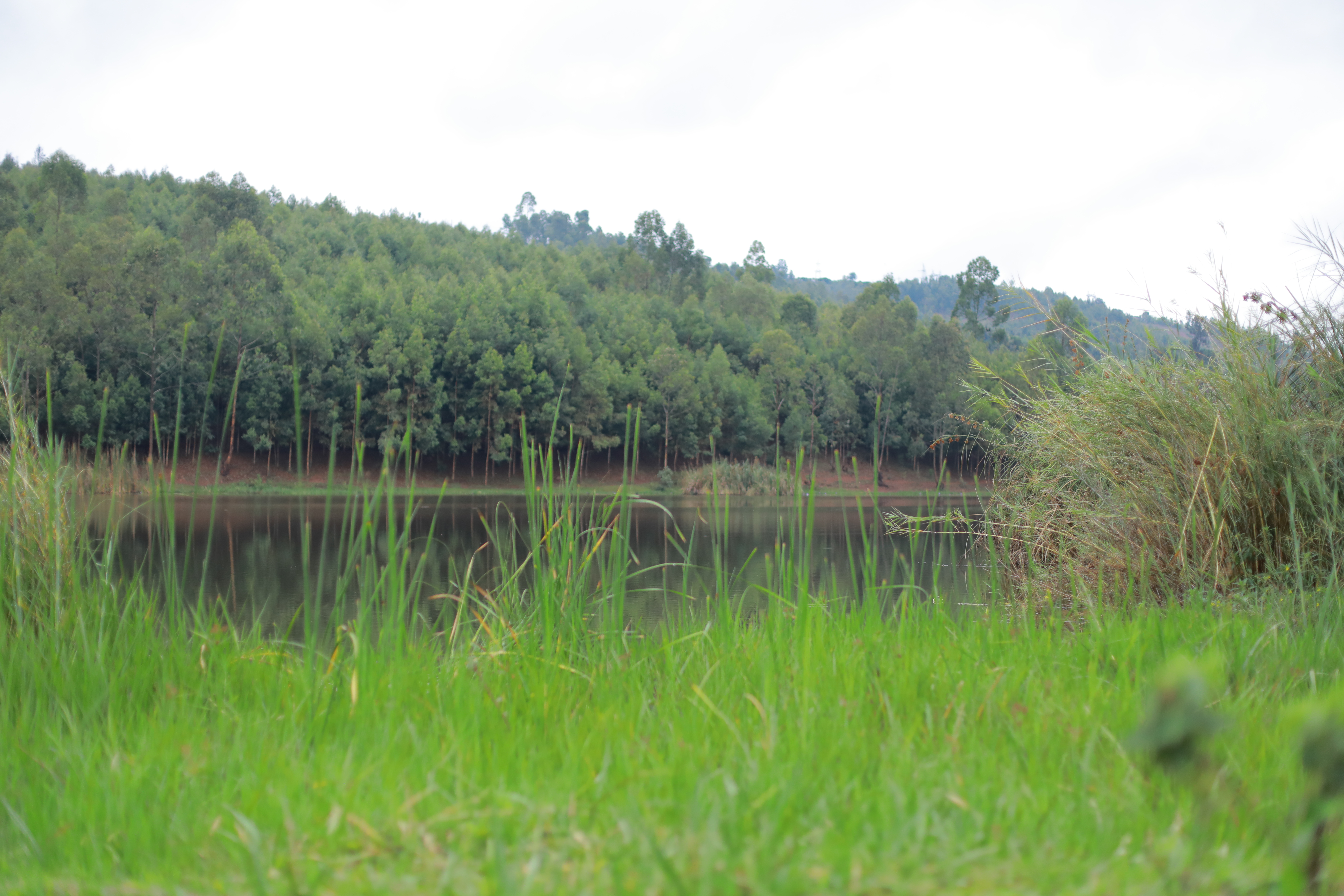
Since 2008, the government of Rwanda has consistently maintained a clean and healthy environment, by enforcing a ban on the use of non-biodegradable plastic bags and packaging materials, and building sustainable and eco-friendly parks.
Organisations and institutions such as Rwanda Environment Management Authority (REMA) and Rwanda Green Fund (FONERWA) have been established over the years to create awareness, provide technical support on environmental protection, regulations, and funding initiatives aiming at fighting climate change and its adverse impacts to all sectors, including Rwanda’s mining sector. As a result, mining companies have turned to safer and more efficient mining methods over the years, ensuring that they protect and rehabilitate the environment in which they operate, and keep miners safe.
Modern equipment such as excavators and jackhammer drills are employed, and these have increased accessibility to the underground through digging and constructing tunnels with solid timber structures, leaving a vast percentage of the ground surface untouched. This has limited the degradation caused by open pits mining, and improved waste/tailings management. The usage of water has also been improved with the introduction of a new water recycling system, where water that’s disposed of after the washing of minerals is continuously collected in ponds, filtered and re-utilized.
To protect and keep the miners working in the tunnels safe and healthy, strict legislation and protocols are enforced and monitored. They wear safety helmets, quality mining boots, gloves and glow-in-the-dark vests. Sufficient lighting using electricity is provided, and modern ventilation systems such as compressors are used to supply oxygen via air pipes along the tunnels to avoid asphyxiation.
Furthermore, with the availability of accredited learning institutions such as the School of Mining & Geology at the University of Rwanda, there’s an increasing number of skilled workers employed in mining companies. These workers implement and monitor regulations and policies that protect the environment and workers around sites in various ways. They inspect the tunnels daily before operations begin, measuring the amount of gas in tunnels and evaluating the strength of the tunnel structures, among other things. Regular tests are also carried out by experts to identify and eliminate the presence of toxic substances in the water, if any.
Once mining operations around a site cease, following exhaustion of minerals, comes Closure and Reclamation. Miners are required to reinstate boreholes and excavations, plant trees (afforestation), remove buildings, level any ground affected by exploration, and much more. Plans to restore degraded land are clearly indicated, along with the cost, on the Environmental Impact Assessment presented by mining operators before commencing mining operations. This assessment includes the newly introduced policy tool; the Environmental Bond Calculator, which calculates the cost needed for environmental rehabilitation.
As Rwanda continues to maintain a healthy and clean environment, the mining sector continues to help restore and maintain natural resources by consistently adopting and implementing modern mining methods and practices to ensure a sustainable future for Rwandans.