Role of Environmentalists, geologists and mining engineers in Rwanda’s mining sector’s development and transformation
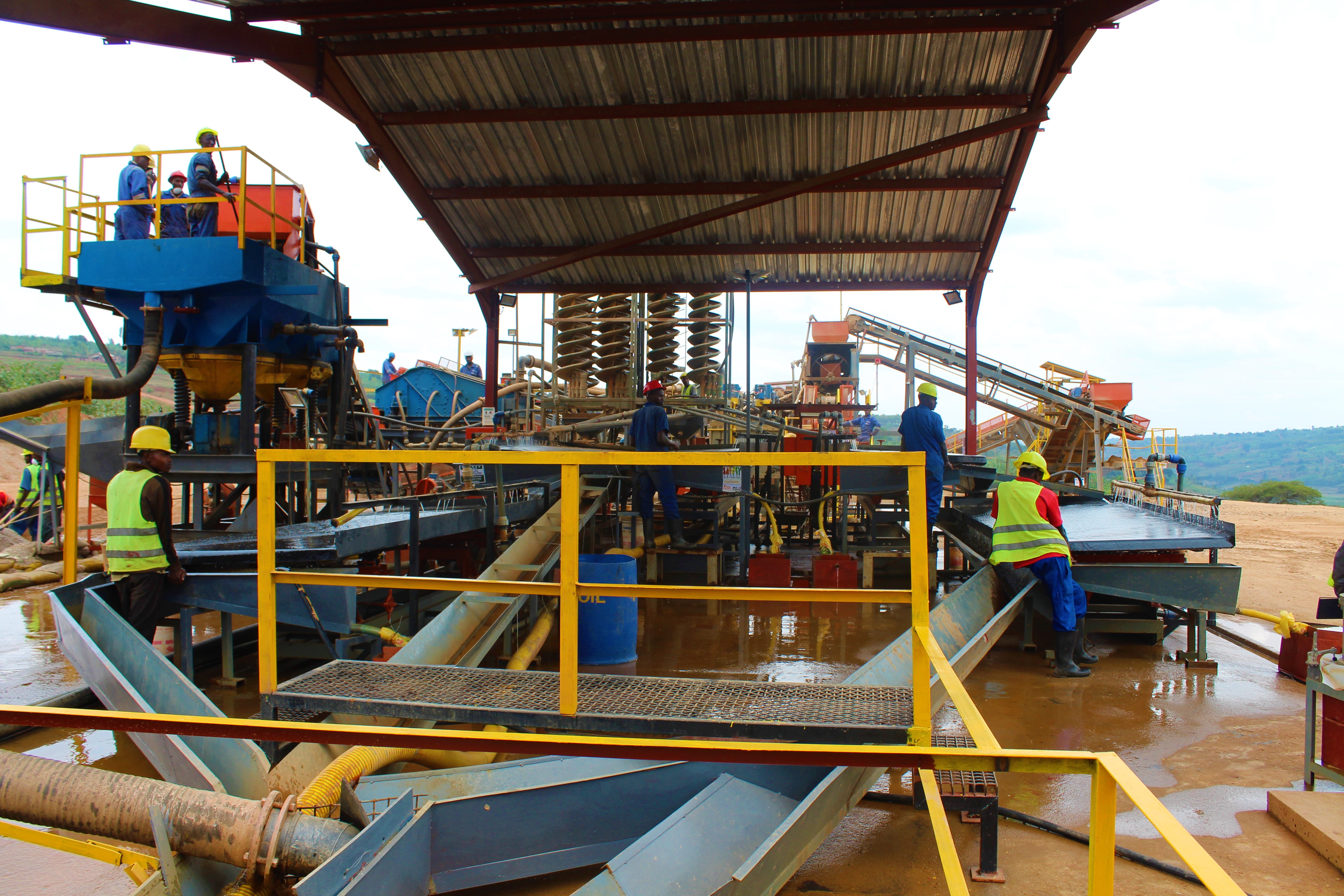
Mining activities are ubiquitous, and their unabated contribution to powering modern civilization is too palpable at local, regional and global scales. The mining industry has conversely been viewed, by many, through the prism of meting out environmental effects.
With mining activities in Rwanda dating as early as the 1930s, the sector has ever since been under a metamorphosis from largely artisanal and small-scale mining to a professional and efficient mining industry.
The transition is underway to consistently deliver a mining industry that is more modern, more responsible, and semi-mechanized that is a chief contributor to the green growth economy agenda. In this light, the crux of ongoing professionalization efforts in the mining sector is that best mining practices and standards are to be adhered to by all mining operators as they ensure high-level compliance with mining laws, regulations and standards.
In a similar vein, mining companies are invariably reminded to always adopt proper mechanisms for safeguarding the environment through the use of eco-friendly mining techniques that minimize the damage to the environment.
In this frame of reference, Rwanda Mines, Petroleum, and Gas Board (RMB) has upscaled the employment of environmentalists, geologists and mining engineers throughout districts to respond to the ongoing efforts to develop and professionalize the mining sector in Rwanda. Mining companies have also followed suit in recruiting mining engineers and environmentalists who take care of day-to-day mining operations at the mine sites.
On professionalizing the mining sector, “Environmentalists, geologists and mining engineers are primarily at the helm of ensuring (i) proper governance of mining sector from the decentralized level, (ii) high-level compliance of mining/quarries operators with environmental laws and regulations, health and safety standards in exploration and exploitation activities through regular inspections and provision of the technical support to the mining operators ” argued Mr. Narcisse DUSHIMIMANA- Head of the Department of Mining Regulations and Inspection at RMB.
Thanks to the School of Mining and Geology of the University of Rwanda; and Rutongo Mining School, a number of mining engineers, geologists, and environmentalists have joined the mining industry in Rwanda.
Not only do these mineral field officers offer much-needed technical support to the mining companies in the area of environmental protection; mineral exploration and exploitation, but they also help mining companies to keep up their safety standards.
Drawing on the foregoing, it is expected that as more environmentalists, geologists, and mining engineers assist mining operators in complying with mining laws, regulations and standards, the extractive industry will keep on leapfrogging. This is auspicious now that the use of rudimentary tools and techniques is gradually getting phased out and intermittent cases of illegal mining ebbing.
Mining industry players are always reminded to prioritize equitable use of land as they continuously rehabilitate abandoned sites and do land reclamation.