Rwanda's Mining Sector Emerges as a Key Driver of Economic Growth
Kigali, August 22, 2025 – Rwanda's economy is undergoing a significant transformation, with new data released by the National Institute of Statistics pointing to the mining and quarrying sector as a major force behind the nation's robust economic growth. The sector's recent performance marks a strong rebound, contributing substantially to the country's gross domestic product (GDP) and helping to diversify the economy. This resurgence is a testament to the sector's increasing importance, standing out among other key industries.
Recent figures from the Index of Industrial Production (IIP) for June 2025 highlight this upward trend. The mining and quarrying sector saw an impressive 17.7% increase in output compared to June 2024. This growth is remarkable when viewed against the overall formal sector industrial output, which grew by 8.5% over the same period, with an annual average growth rate of 6.4%. The mining sector's strong performance is a key reason for the positive national figures.
The ripple effect of this growth is evident in the broader economic landscape. While the mining sector has historically been a smaller and more volatile contributor to GDP, its current double-digit growth is significantly boosting its economic impact. This growth is not only helping to push up the national GDP figures but is also playing a crucial role in improving Rwanda's trade balance by increasing exports. The mining sector's contribution is particularly notable as it helps to move the economy away from its traditional reliance on agriculture and services. The overall Rwandan economy expanded by 7.8% in the first quarter of 2025, with the industry sector, which includes mining, expanding by a robust 9%.
Compared to other industrial activities, the mining sector's growth is a standout performer. While manufacturing activities increased by 2.3% and electricity by 12.5% in June 2025, the mining sector's 17.7%growth is the highest among the major industrial categories. Even water and waste management, which grew by 3.0%, pales in comparison to the mining sector's performance. This dominant growth positions mining as a leading engine of economic development.
The data from both the IIP and recent GDP reports paint a clear picture: Rwanda’s mining sector has emerged from a period of sluggishness to become a major driver of economic growth. The significant increases in production of key minerals and the sector’s overall expansion are providing a substantial boost to the national economy, contributing to both GDP growth and a healthier trade balance. As the country continues to pursue economic diversification, the mining and quarrying sector stands as a prime example of a non-traditional industry with immense potential to shape Rwanda's economic future.
The sector’s rise is also visible in foreign exchange earnings. In 2024, Rwanda recorded $1.75 billion in mineral export revenues, supported by ongoing sector reforms, including: mechanization and adoption of new technologies, professionalization of mining operations, responsible and environmentally friendly practices, enhanced geological knowledge through exploration.
These reforms have laid the foundation for even greater growth. Looking ahead, Rwanda has set an ambitious target of $2.17 B in mineral exports by 2029, aligned with the National Strategy for Transformation (NST2).

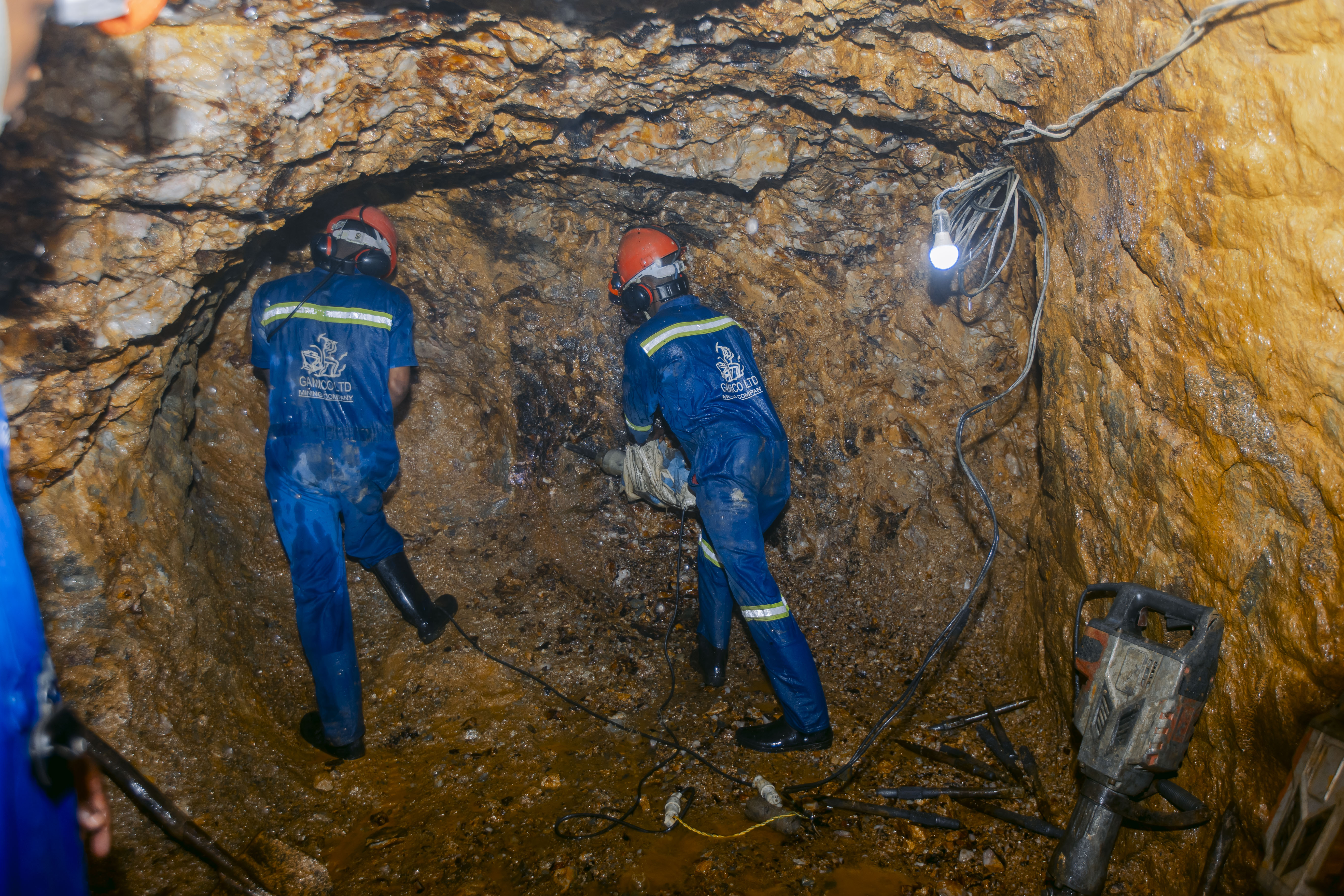
Cassiterite extracted from Bashyamba mine