Snapshot: Mining Incentives in the new investment code
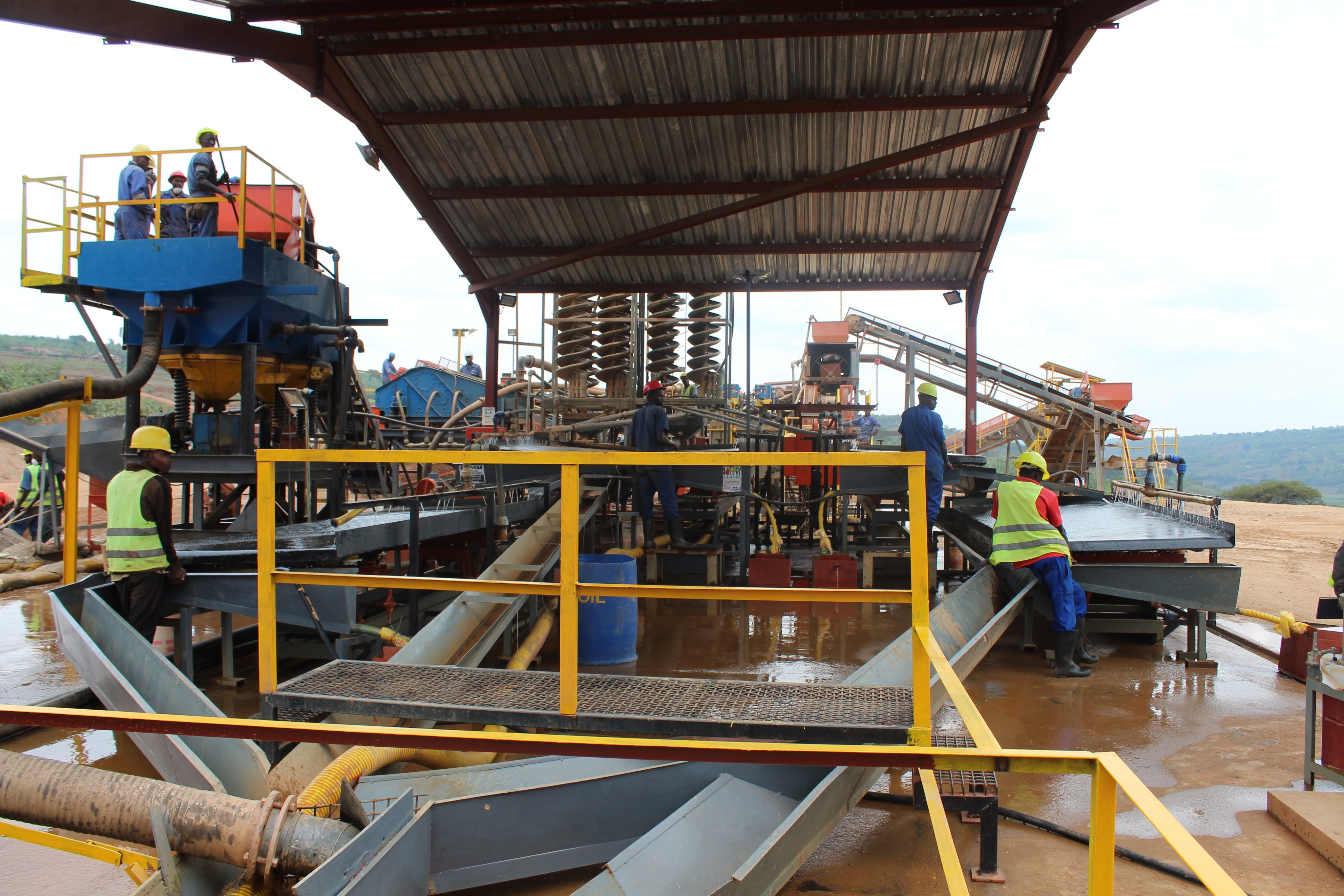
There is no doubt that the new mining incentives in the new investment code confirm Rwanda’s commitment to position herself as the regional mineral hub.
The new investment code that entered into force from February 8, 2021 has been tailored to contend with some of the concerns that investors have raised and to be more in line with social developments.
To serve towards Rwanda’s ambitions of becoming regional mineral hub, the new investment code features a number of mining incentives both fiscal and non-fiscal incentives.
For example, any registered investor holding an exploration license is entitled to carry forward losses for a period of ten years from the first year of making the loss, by deducting losses in the order in which they incurred.
Previously, companies in exploration activities were given only five years of loss carry over.
The arrangement is that, if for example, a company invested £3 million in exploration in 2020, and they did not make any revenue, it means they made a loss of £3 million.
It means the company is allowed to deduct losses made every year, distributed up to maximum 10 years afterwards.
“Technically, this is not tax exemption, but it is rather investments calculated as costs,” indicates Francis GATARE, the CEO of Rwanda Mines, Petroleum and Gas Board.
This incentive is applicable if the mineral exploration expenditure has accounted for at least fifty per cent of the investor’s total expenditure during the years in which losses were made.
Incentives in the mining sector:
Non Fiscal
- A registered investor who invests USD 250,000 may recruit 3 foreign employees without necessarily demonstrating that their skills are lacking or insufficient on the labor market in Rwanda,
- Facilitate quick investment registration,
- Facilitation with tax related services and exemptions,
- Provision of EIA Certificates,
- Facilitation with obtaining visas and work permits,
- Notary services provided by RDB's One Stop Center,
- Assigning Key Account Manager to projects registered within the One Stop Center.
Fiscal
- Registered investors holding a valid exploration license are entitled to carry forward losses for a period of ten (10) years from the first year of making the loss, by deducting losses in the order in which they incurred
- 15% Preferential Corporate Income tax for projects exporting processed minerals up to 50% of turnover of minerals produced in Rwanda,
- Accelerated depreciation of assets at 50%,
- Import free on Heavy Machinary used in Mining,
- Vat exemption on Mining equipments,
- Value added tax refund,
- Capital Gains tax exemption and 0% Corporate Income Tax for companies planning to relocate H/Q’s to Rwanda.
- test
A Tax Policy Analyst told media that the incentives respond to the need to develop and expand key financial activities, attract cross-border investments and support priorities identified under National Transformation Strategy.
In addition to the incentives set out in the code, the Cabinet may grant to a registered investor for strategic investment projects additional investment incentives to the incentives provided for in the new investment code.
These additional incentives are subject to proposal by the Private Investment Committee (a committee established by the New Investment Code).
“Upon approval of strategic investment projects and their corresponding additional investment incentives, an agreement is negotiated between the registered investor and the Government,” reads the new code.
Notable provisions of the new investment code include support of key priority sectors in National Transformation Strategy, Reducing operational costs for firms, Talent attraction incentives, flexibility and additional measures to streamline investment procedures.
According to an audience poll conducted by Africa Mining Forum in 2020, Rwanda is viewed as the most attractive country to deliver the biggest return on mining investment in East Africa.